
Shikumen
石库门shíkùmén1860s–1930s
Shanghai’s “stone-gate” lane houses, built from the 1860s to the 1930s, mixing Jiangnan courtyard homes with Western terraced rows.
Shikumen, “stone-gate” houses, are the lane houses that gave old Shanghai its character. They appeared in the 1860s, when refugees from wars in the Yangtze region poured into the foreign settlements and developers built rows of two- or three-storey brick houses along narrow lanes (lilong or longtang). Each house combines a Jiangnan courtyard home, with a small front courtyard (tianjing) and a main hall behind it, with the Western terraced row, and is entered through a heavy door in a stone frame, often topped with a carved lintel. For decades most Shanghainese lived in lane neighbourhoods like these, families often sharing one house and renting out small rooms such as the attic over the kitchen. Many were demolished from the 1990s, but you can still see them restored at Xintiandi and Zhangyuan, or still lived in at Tianzifang, where washing hangs above the shops.
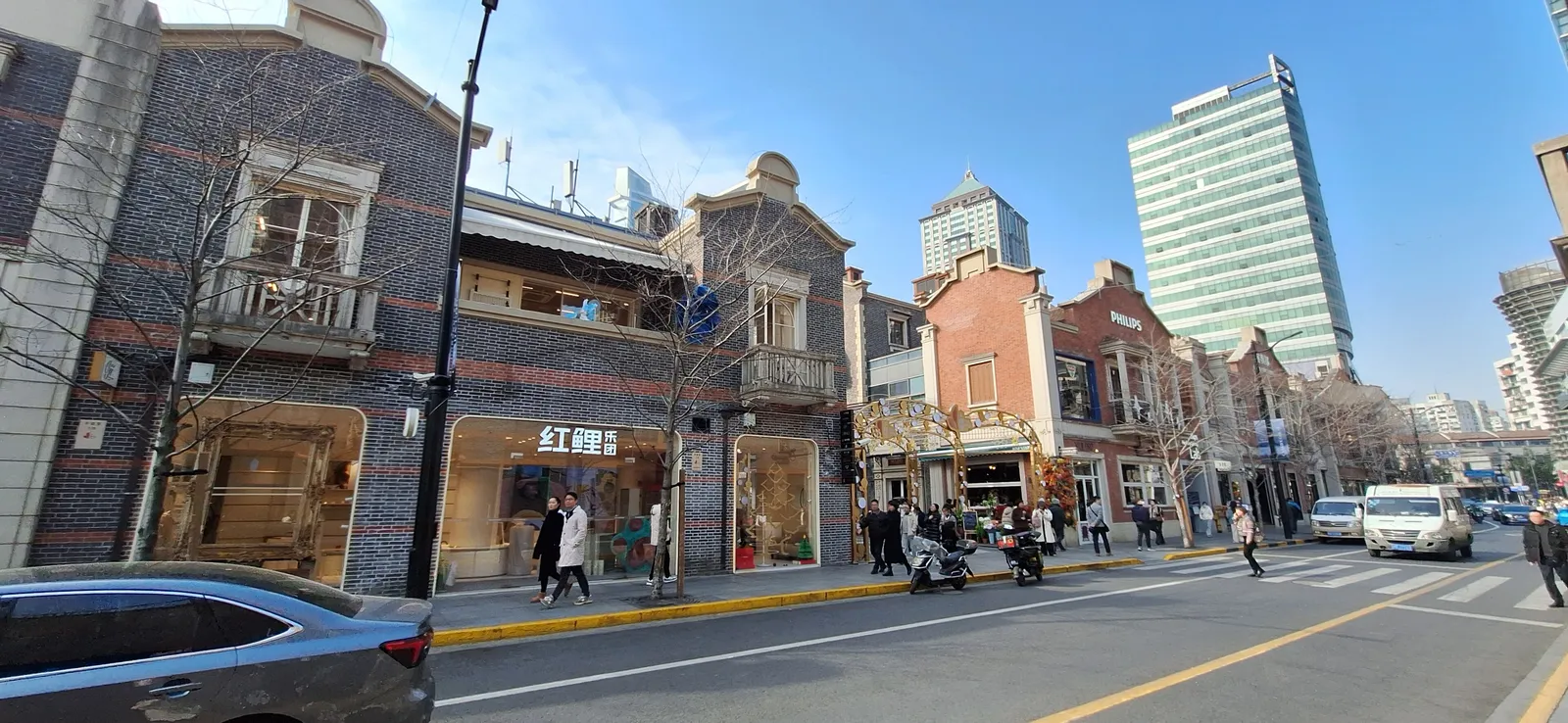
Where to see it in China
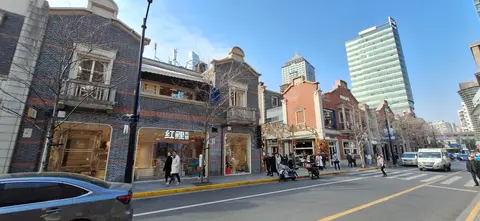 ShanghaiZhangyuan 张园Shanghai’s largest surviving block of shikumen, restored; look up at the carved stone gateways and old lane names.
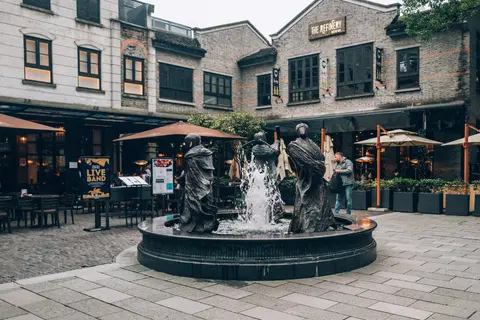 ShanghaiXintiandi 新天地Restored shikumen turned into restaurants and bars; the Shikumen Open House Museum shows how a family lived in the 1920s.
 ShanghaiTianzifang 田子坊A maze of shikumen lanes with small shops and cafés; people still live upstairs, so keep the noise down.
Where we mention it
Related entries
Sources
- Explore charm of Shanghai’s shikumen neighbourhoods — Shanghai Municipal People’s Government (english.shanghai.gov.cn)
- Shikumen — Wikipedia (en.wikipedia.org)
- Shikumen Open House Museum — Wikipedia (en.wikipedia.org)