
Manchu people
满族Mǎnzú
The people of north-east China who founded the Qing dynasty, ruling China from 1644 to 1912 from their first capital at Shenyang and then Beijing.
The Manchu descend from the Jurchen peoples of the forests and river valleys of north-east China. In the late 16th and early 17th centuries their leader Nurhaci united the Jurchen tribes, organised them into the “Eight Banners” and in 1616 founded a state called the Later Jin; his son Hong Taiji adopted the name Manchu in 1635 and proclaimed the Qing dynasty in 1636. From their capital at Mukden, today’s Shenyang, Qing armies entered Beijing in 1644, and the dynasty, under Manchu emperors such as Kangxi and Qianlong, ruled China until 1912. The court kept its own language and script, written in vertical lines, which is why many palace name boards in Beijing and Shenyang are in both Manchu and Chinese, and it held on to riding and hunting traditions at Chengde.
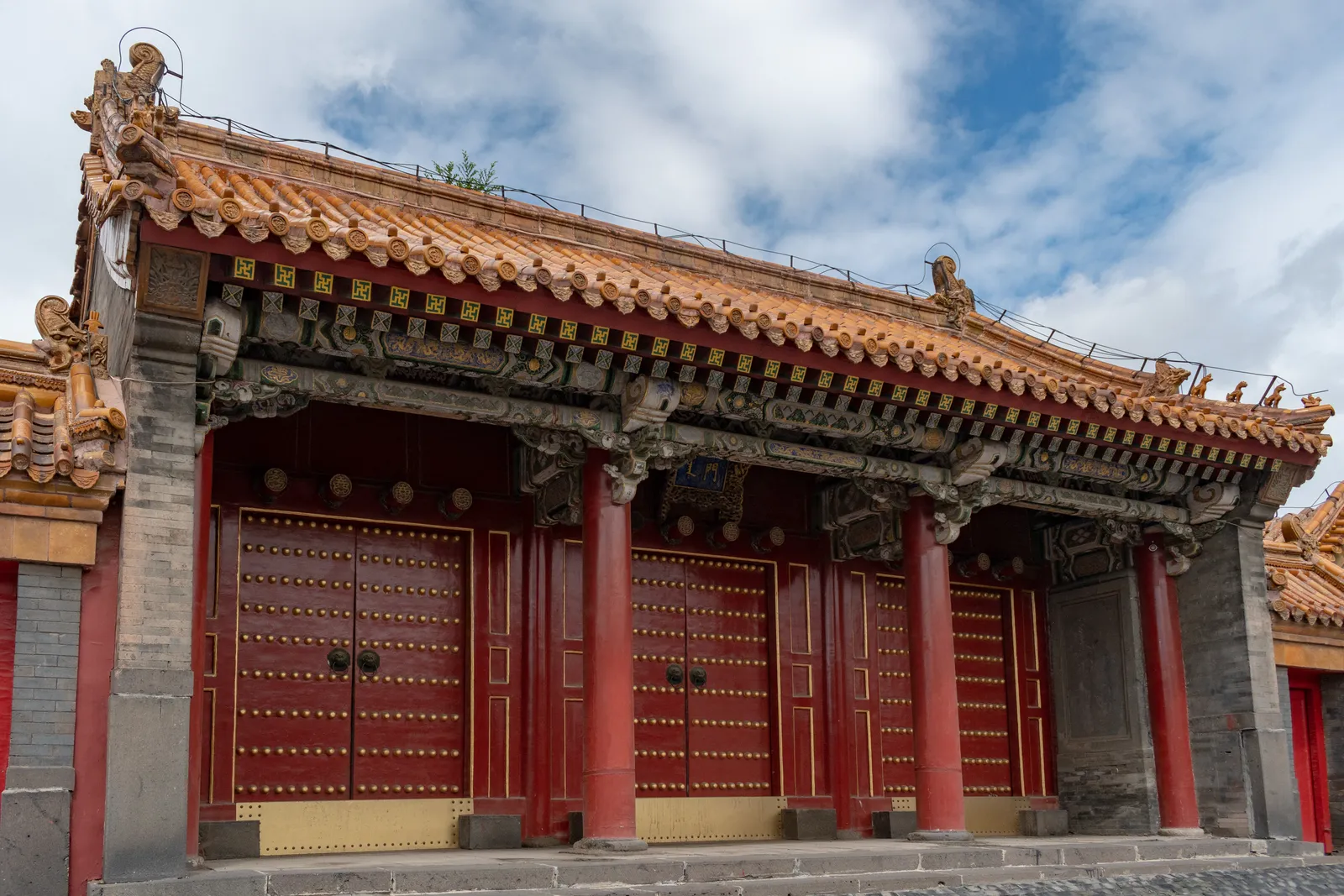
Where to see it in China
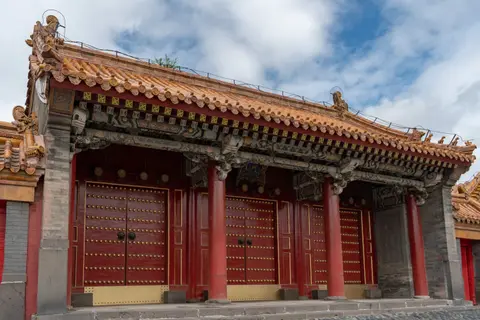 ShenyangShenyang Imperial Palace (Mukden Palace) 沈阳故宫The palace of the early Manchu Qing rulers, built from 1625 before the move to Beijing.
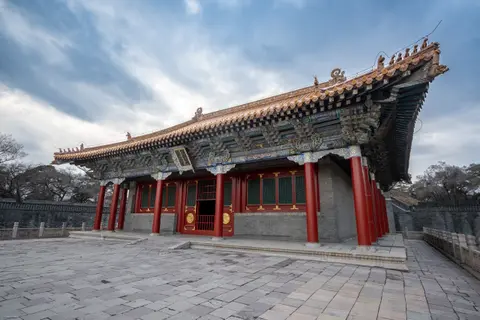 ShenyangFuling Tomb (Dongling Park) 清福陵(东陵公园)The tomb of Nurhaci, founder of the Manchu state, on a wooded hill east of the city.
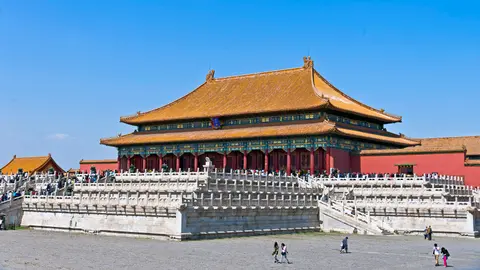 BeijingForbidden City (Palace Museum) 故宫博物院The Qing emperors’ palace from 1644 to 1912, where many hall name boards are written in Manchu and Chinese.
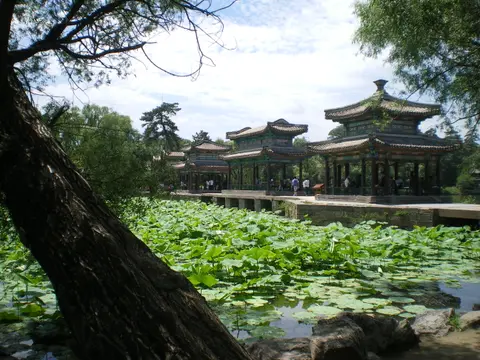 ChengdeChengde Mountain Resort 避暑山庄The Qing emperors’ summer capital, on the way to the hunting grounds where the court kept up riding and archery.
Related entries
Sources
- Manchu — Encyclopaedia Britannica (britannica.com)
- Imperial Palaces of the Ming and Qing Dynasties in Beijing and Shenyang — UNESCO World Heritage Centre (whc.unesco.org)
- Manchu people — Wikipedia (en.wikipedia.org)