
Winter Solstice (Dongzhi)
冬至DōngzhìAround 21–23 December
Dongzhi is China’s winter solstice festival, around 21–23 December. It is not a public holiday, but people eat dumplings in the north and tangyuan in the south.
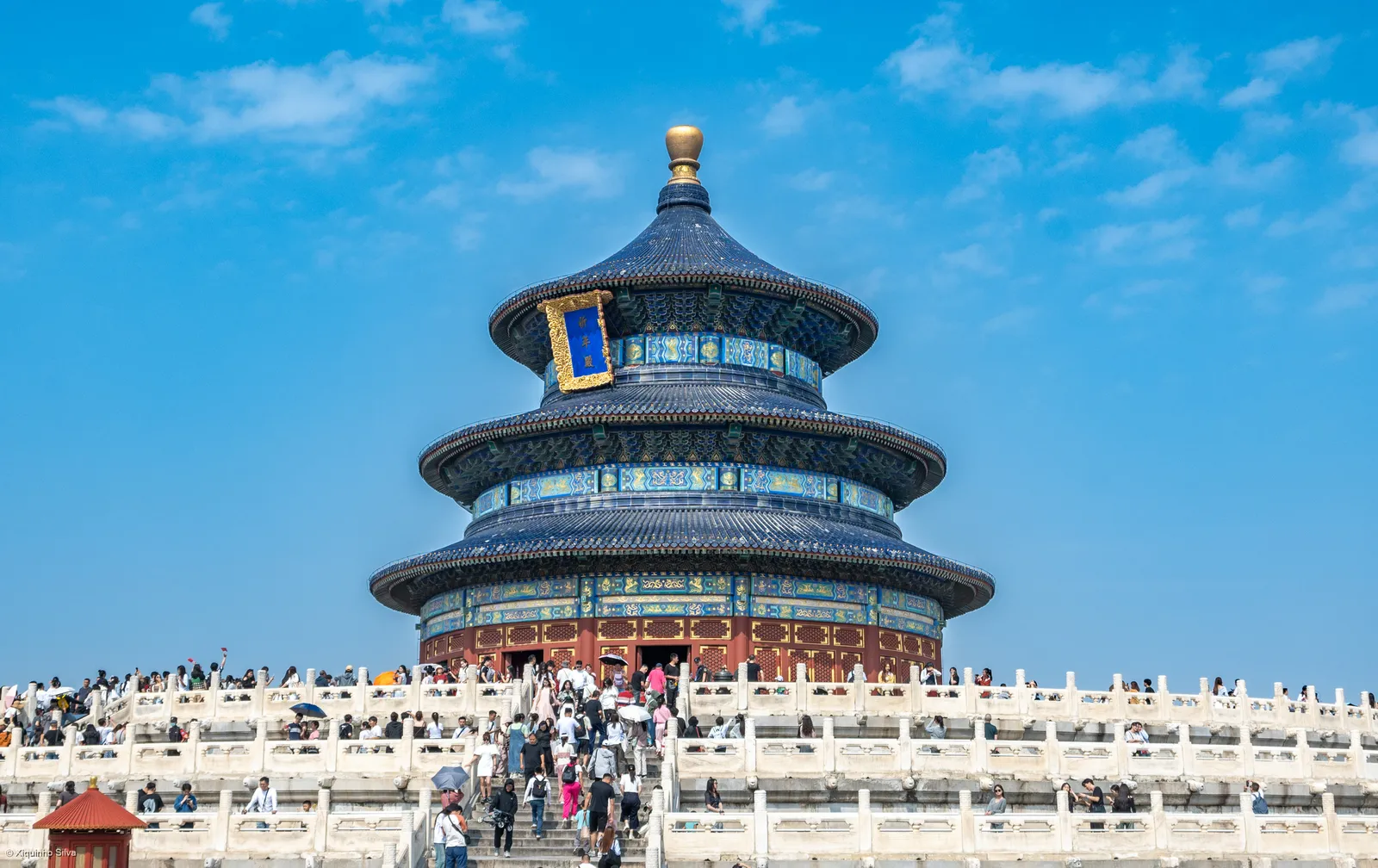
Dongzhi, the winter solstice, is one of the 24 solar terms in the Chinese calendar, falling around 21 to 23 December on the shortest day of the year; in 2026 it is on 22 December. It is not a public holiday, so sights and transport run normally, but it is a big family food day. In the north people eat dumplings, a custom that legend ties to the physician Zhang Zhongjing, who is said to have made ear-shaped dumplings to protect the poor from chilblains. In the south people eat tangyuan, sweet rice balls whose round shape suggests family reunion. In Suzhou the solstice dinner can be as full as a New Year’s Eve meal. In the Ming and Qing dynasties the emperor came to Beijing’s Temple of Heaven on this day to perform the rites to Heaven.
Where to see it in China
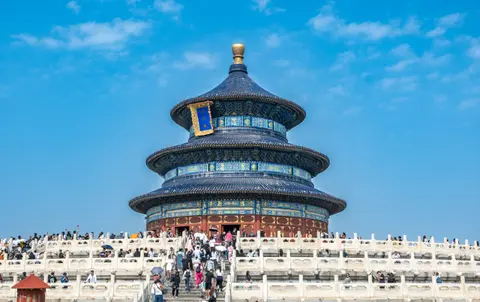 BeijingTemple of Heaven 天坛公园The open Circular Mound Altar is where Ming and Qing emperors held the winter solstice rites to Heaven.City guideSuzhou 苏州Families here treat the solstice dinner as a major event, with cold dishes, whole chicken, duck and fish. Restaurants may be busy.
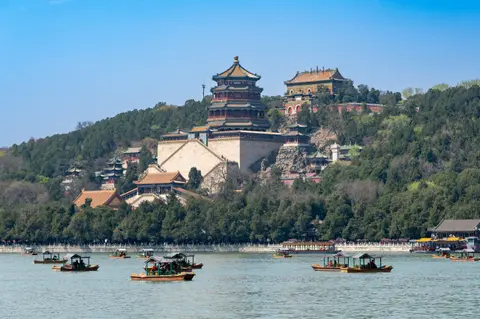 BeijingSummer Palace 颐和园Around the solstice, the low sun shines through the arches of the Seventeen Arch Bridge.
Where we mention it
Related entries
Sources
- The Twenty-Four Solar Terms: UNESCO Intangible Cultural Heritage (ich.unesco.org)
- Dongzhi Festival: Wikipedia (en.wikipedia.org)
- Temple of Heaven: Wikipedia (en.wikipedia.org)
- A winter’s tale: China Daily (global.chinadaily.com.cn)