
Bai Juyi
白居易Bái Jūyì772–846
Tang poet and official (772–846), author of the Song of Everlasting Sorrow, whose name lives on at West Lake, Suzhou and Longmen.
Bai Juyi was one of the most widely read Tang poets, known for the long poems Song of Everlasting Sorrow and Song of the Pipa, and his work was also greatly admired in Japan. As governor of Hangzhou from 822 to 824 he worked on West Lake’s water control, and in 825 he became governor of Suzhou, where he began the Shantang Canal. He spent his last years near Luoyang, called himself the Hermit of Xiangshan, and died there in 846. For a traveller this makes him easy to follow: a causeway named after him, a canal street and his tomb are all on the visitor route.
Also known as: Po Chü-i
Where to see it in China
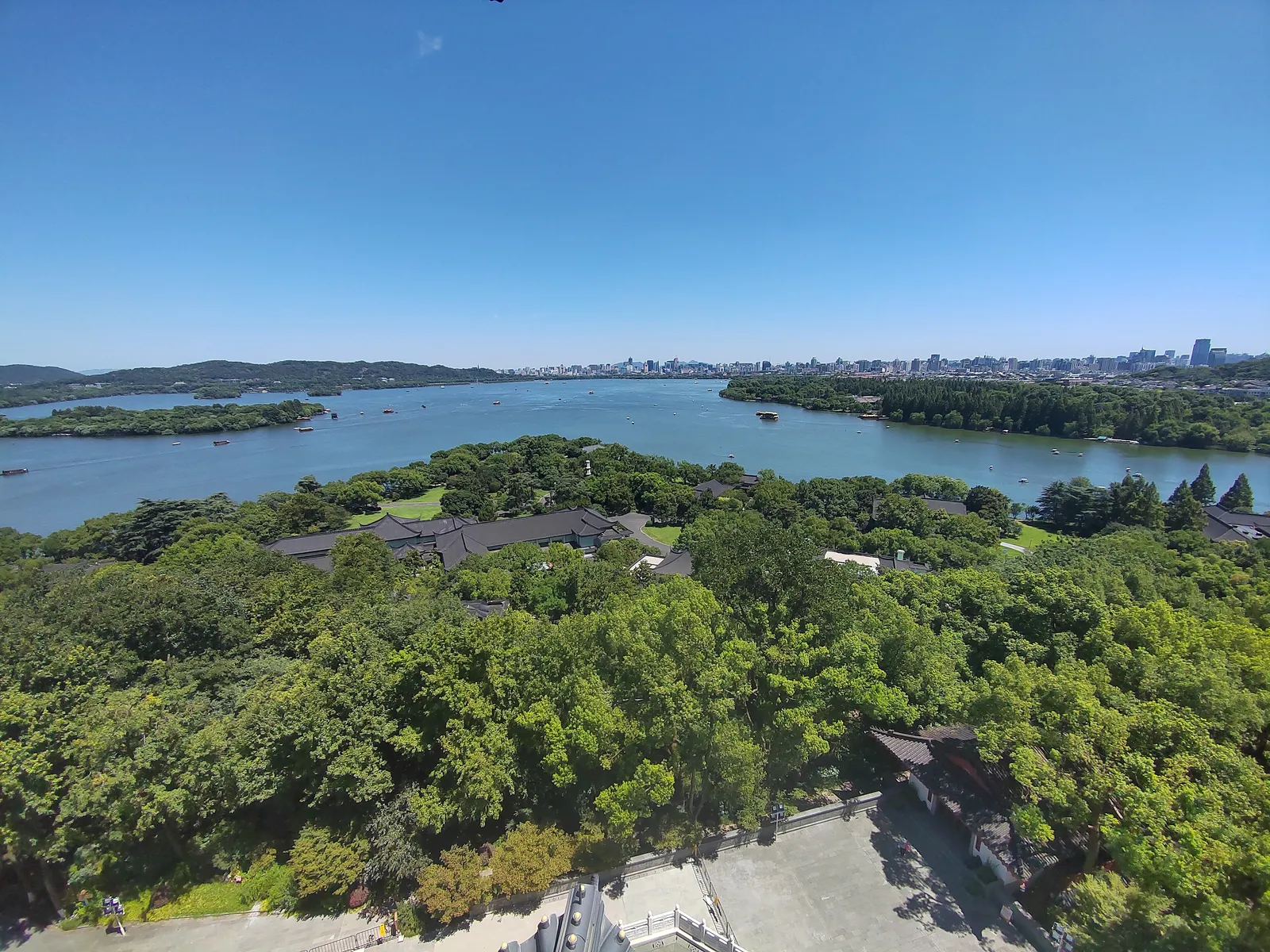
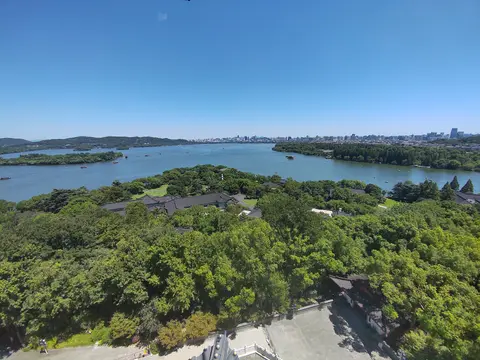 HangzhouWest Lake 西湖The Bai Causeway is named after him; sources say an older causeway took his name in his honour.
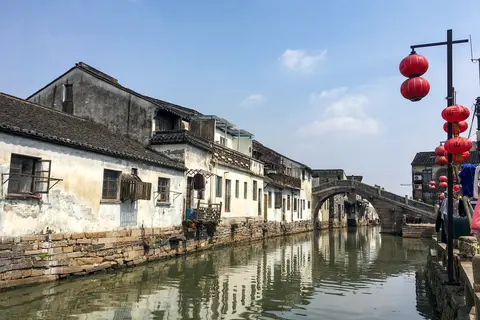 SuzhouShantang Street 山塘街The canal street from Changmen Gate to Tiger Hill grew from the canal he began in 825, with a street built on its banks.
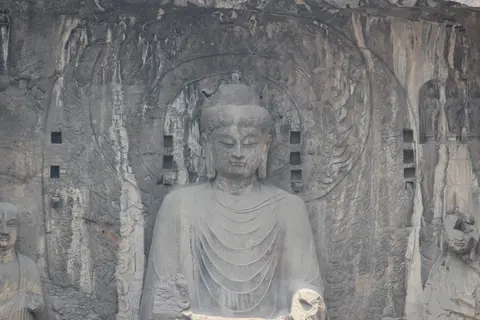 LuoyangLongmen Grottoes 龙门石窟Across the Yi River on the East Hill side, the grottoes area holds Xiangshan Temple, which he repaired, the Bai Garden and his tomb.
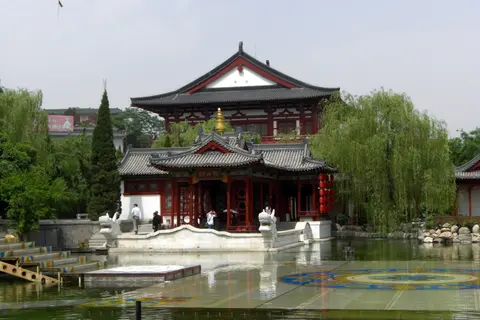 Xi'anHuaqing Palace 华清宫The Tang imperial hot springs at the foot of Mount Li, the setting tied to his Song of Everlasting Sorrow.LuoyangBai Garden (Tomb of Bai Juyi) 白园His tomb, on the East Hill at Longmen
Where we mention it
Related entries
DynastiesTang dynasty 唐朝The dynasty (618–907) remembered as China’s golden age of poetry, Buddhism and Silk Road trade, ruled from Chang’an, today’s Xi’an.PeopleLi Bai 李白The Tang-dynasty poet (c. 701–762) famed for verses on moonlight, wine, mountains and friendship, often ranked beside Du Fu as China’s greatest.PeopleDu Fu 杜甫Tang-dynasty poet (712–770) honoured in China as the “Poet Sage”; his thatched hut in Chengdu is now a garden museum.PeopleYang Guifei 杨贵妃The favourite consort (719–756) of Tang Emperor Xuanzong, killed during the An Lushan Rebellion and remembered in Bai Juyi’s Song of Everlasting Sorrow.
Sources
- Bai Juyi: Wikipedia (en.wikipedia.org)
- Bai Juyi: World History Encyclopedia (worldhistory.org)
- Bai Causeway: eHangzhou (Hangzhou Municipal Government) (ehangzhou.gov.cn)
- Shantang Street: Wikipedia (en.wikipedia.org)