
Leshan
乐山 · Lèshān
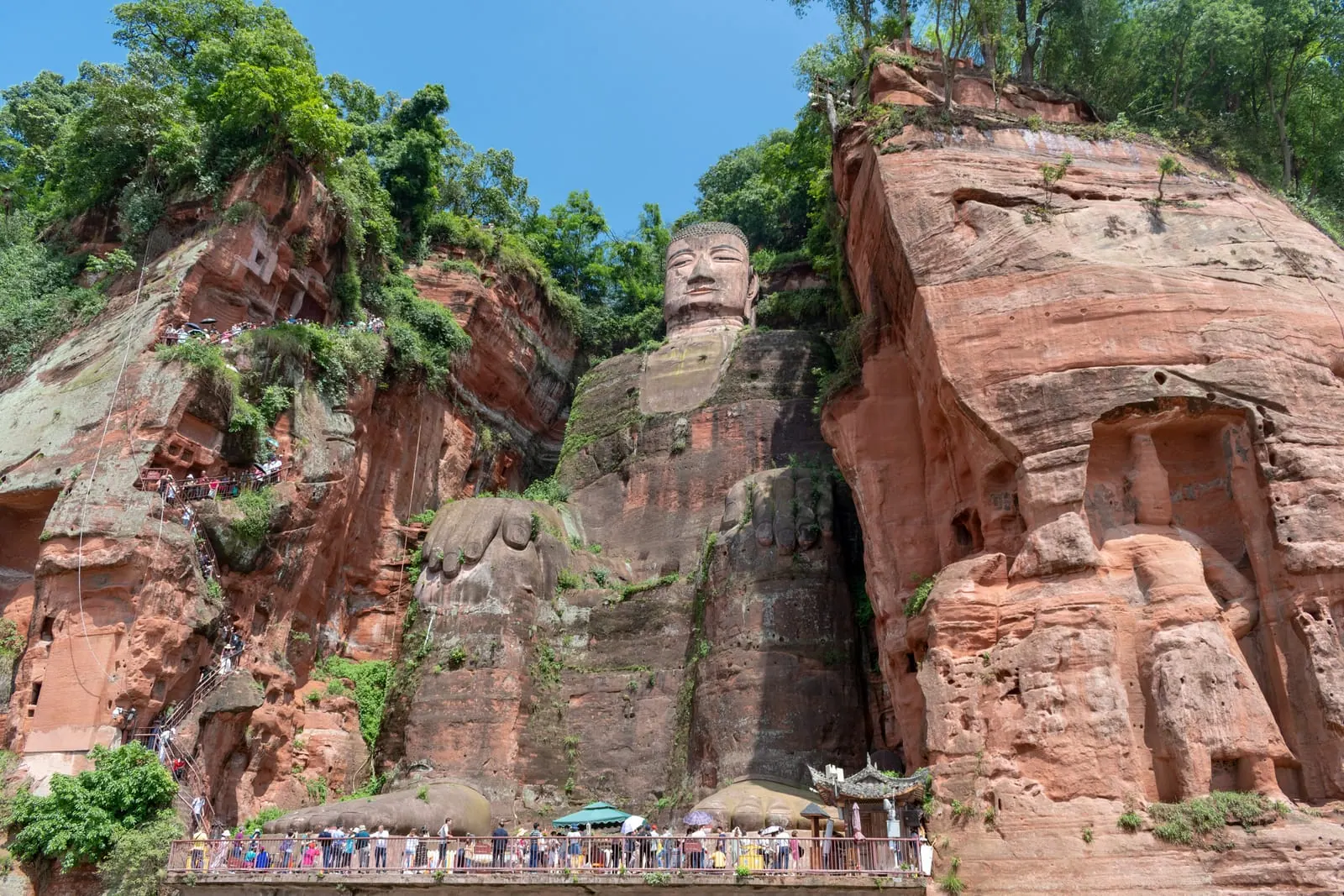
The 71-metre Giant Buddha where three rivers meet, and Mount Emei, the Buddhist mountain above the clouds.
Photo: xiquinhosilva · CC BY 2.0
Best time to visit
- Jan
- Feb
- Mar
- Apr
- May
- Jun
- Jul
- Aug
- Sep
- Oct
- Nov
- Dec
From the airport or station to the city
Where you land, the ways into the city centre, how long each takes and what it costs.
From Chengdu East or Chengdu South station (high-speed rail)
成都东站 / 成都南站
From Chengdu airports
成都天府国际机场 / 成都双流国际机场
From Leshan Station to the Giant Buddha
乐山站
From Emeishan Station to Mount Emei
峨眉山站
Getting around
Leshan has two separate areas, about an hour’s drive apart. The Giant Buddha, Lingyun Temple, Wuyou Temple and the Mahao tombs sit together on the hills across the river from the city centre. Inside that scenic area a shuttle runs from the South to the North Visitor Centre, ¥10 a ride or ¥15 for a day pass (real-name). Mount Emei is to the west: take the train between Leshan and Emeishan stations (about 15–20 minutes), then scenic-area buses from Emeishan Station or Baoguo Temple. Mountain buses are ¥90 return to Leidongping and ¥40 return to Wannian Temple or Wuxiangang. Leshan has no metro; use city buses or DiDi. The steam train and Luocheng are in Qianwei County, further south-east. Visa-free transit: Leshan is inside the 240-hour stay area for Sichuan, and both Chengdu airports are eligible ports. Carry your passport for all tickets.
Book these before you fly
These sights need a reservation with your passport. Walk-ups are usually turned away.
- Mount Emei and the Golden SummitReal-name with your passport, on the 峨眉山景区 WeChat account, its mini program or a big travel app. Since 23 May 2026 Golden Summit tickets are capped at 8,000 a day, and high-mountain buses run on timed slots (up to 15 days ahead). The cable car is being rebuilt, with works due to end in 2027.
- Ten-Directional Samantabhadra statueBook the gate ticket and a timed high-mountain bus slot with your passport on the 峨眉山景区 WeChat account or mini program, or a big travel app. Since 23 May 2026 Golden Summit tickets are capped at 8,000 a day.
- Sheshen Cliff (Golden Summit sunrise and cloud-sea viewpoint)Book the gate ticket and a timed high-mountain bus slot with your passport on the 峨眉山景区 WeChat account or mini program, or a big travel app. Since 23 May 2026 Golden Summit tickets are capped at 8,000 a day.
- Emei ecological monkey zoneBook the gate ticket and a timed high-mountain bus slot with your passport on the 峨眉山景区 WeChat account or mini program, or a big travel app. Since 23 May 2026 Golden Summit tickets are capped at 8,000 a day.
Top sights
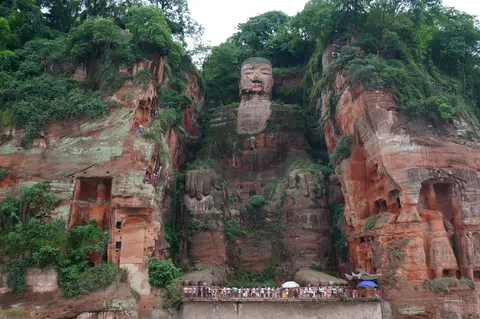 乐山大佛Leshan Giant BuddhaA 71-metre seated Maitreya cut into a red sandstone cliff where three rivers meet. The monk Haitong began it in 713 to calm the dangerous water, and it took about 90 years. UNESCO listed it with Mount Emei in 1996.乐山大佛游船Giant Buddha sightseeing boatA short river trip that stops in front of the Buddha. It is the only way to see the whole figure at once, and it does not include the park.
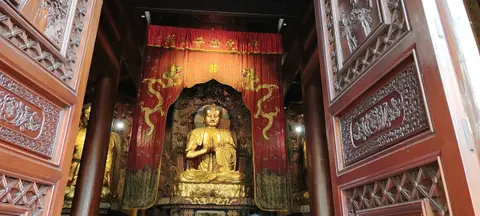 凌云寺Lingyun TempleThe Chan temple on the hill beside the Buddha’s head, also called Dafo Temple. It dates from the Kaiyuan era of the Tang dynasty, and was destroyed by war and rebuilt several times; the present rebuilding dates from 1667.
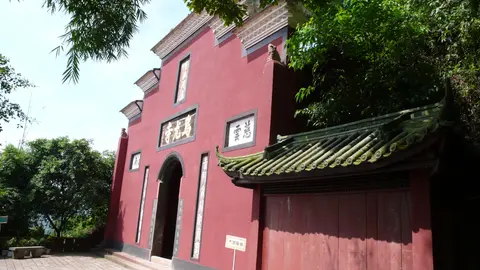 乌尤寺Wuyou TempleA hilltop Chan temple at the meeting of the three rivers, next to the Buddha. It began as Zhengjue Temple in the Tang dynasty, took its present name in the Song, and has an Arhat Hall with 500 figures and the Erya Terrace with river views.
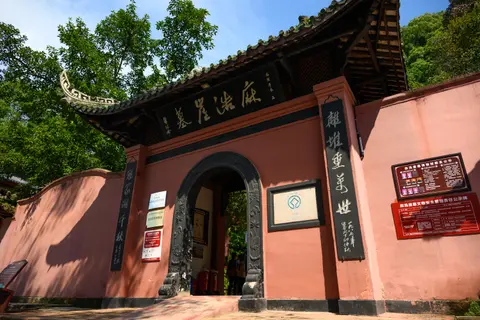 麻浩崖墓Mahao Cliff TombsMostly Eastern Han tombs cut into the south slope of Lingyun Hill, next to the Buddha. Counts differ: a 1985 local survey found 330, one guide says over 544. A small seated Buddha above one entrance is considered among the earliest Buddhist images in China.
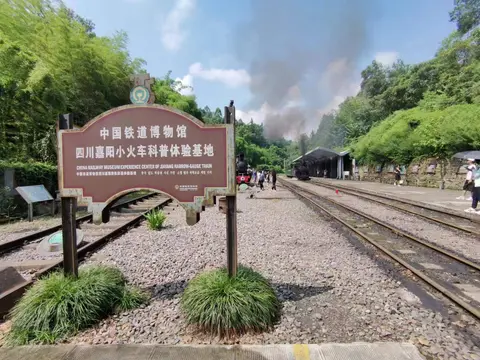 嘉阳小火车Jiayang steam trainA narrow-gauge line (762 mm, about 19.8 km) built in 1958 to carry coal from the Jiayang mine in Qianwei County. Steam trains still run through the hills, now mainly for visitors. It is listed as industrial heritage.罗城古镇Luocheng Ancient TownA town in Qianwei County founded in the late Ming dynasty, whose main street widens and narrows like a boat. Over 300 m long, it is lined with covered wooden walkways (liangting) where locals sit in teahouses.
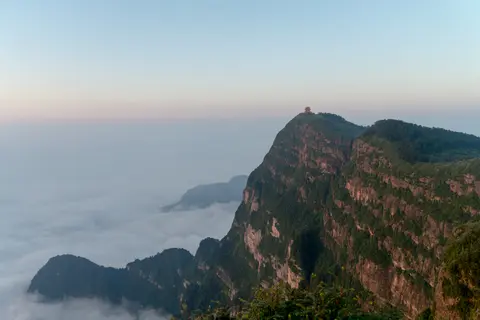 峨眉山Mount Emei and the Golden SummitThe Buddhist mountain linked to Samantabhadra (Puxian), and a UNESCO site since 1996. Most visitors take the bus and cable car to the Golden Summit, about 3,077 m, with Huazang Temple and a gilded statue. Wanfo Ding next door is slightly higher.
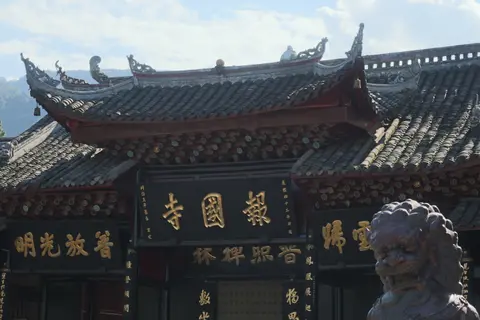 报国寺Baoguo TempleThe gateway temple at the foot of the mountain, about 520 m up, built in the Wanli era of the Ming dynasty. It has a Ming bronze Huayan pagoda covered with small Buddhas, and a Kangxi-era name plaque.
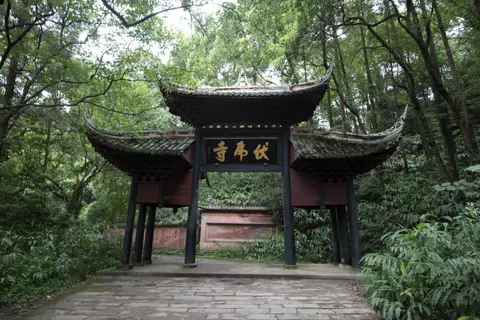 伏虎寺Fuhu TempleA forest temple where the Yoga River and Tiger Creek meet, first built in the Tang dynasty and rebuilt from 1651. Its thirteen halls cover about 20,000 square metres, and it is a national protected site.
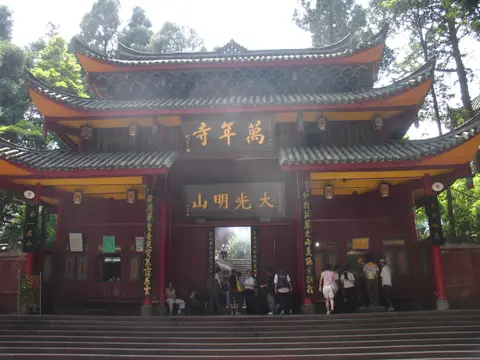 万年寺Wannian TempleOne of the six earliest temples on the mountain, founded in the Eastern Jin dynasty, at about 1,010 m. Its Beamless Brick Hall of 1600 uses no wood and shelters a 7.35 m bronze Samantabhadra on an elephant, cast in 980.
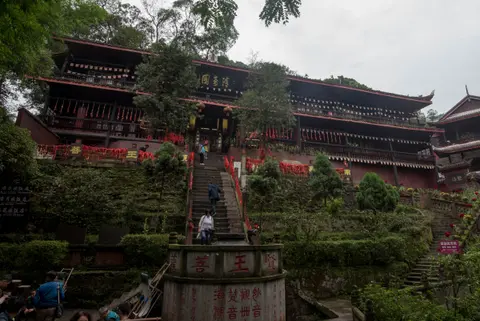 清音阁Qingyin PavilionA temple founded in 877 at about 670 m, where two streams meet below twin bridges and the Ox Heart Stone. The Ecological Monkey Zone with wild Tibetan macaques lies on the path above.
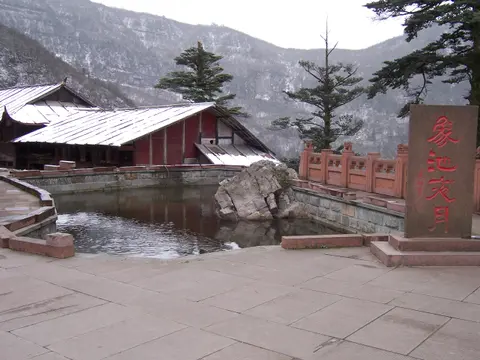 洗象池Elephant Bathing Pool (Xixiang Chi)A high temple on the walking route, founded in the Ming dynasty and enlarged under Kangxi. Legend says Samantabhadra bathed his white elephant in its small six-sided stone pool. It is known as a place to watch the moon.
Map
What to eat here
Find a pharmacy, ATM, food or any shop nearby in Chinese
Places added by travelers
Add a placeFrom other travelers
Write a reviewAsk about this page
Stuck on something? Ask here. Our team answers within 24 hours and emails you the answer.
Questions are public (your email is not). We check them before they appear.
Coming to this page
- Hotels, tickets and experiences you can bookComing soon
Travel guides
Stories about this place
Nearby cities
- Chengdu 45 min–1 h 5 min · High-speed train
- Chongqing 2 h 40 min–3 h 30 min (with change) · High-speed train
- Guangyuan 2 h 30 min–3 h 10 min · High-speed train
- Jiuzhaigou 6–7 h with changes · High-speed train
- Kangding about 4 h, then about 1 h by train · Bus
- Shangri-La about 1 h 30 min flight (+1 h to Chengdu) · Flight
- Mount Siguniang about 5 h 30 min–6 h incl. change · Bus
- Yibin 40 min–1 h · High-speed train
- Zigong about 2–2 h 30 min · Bus
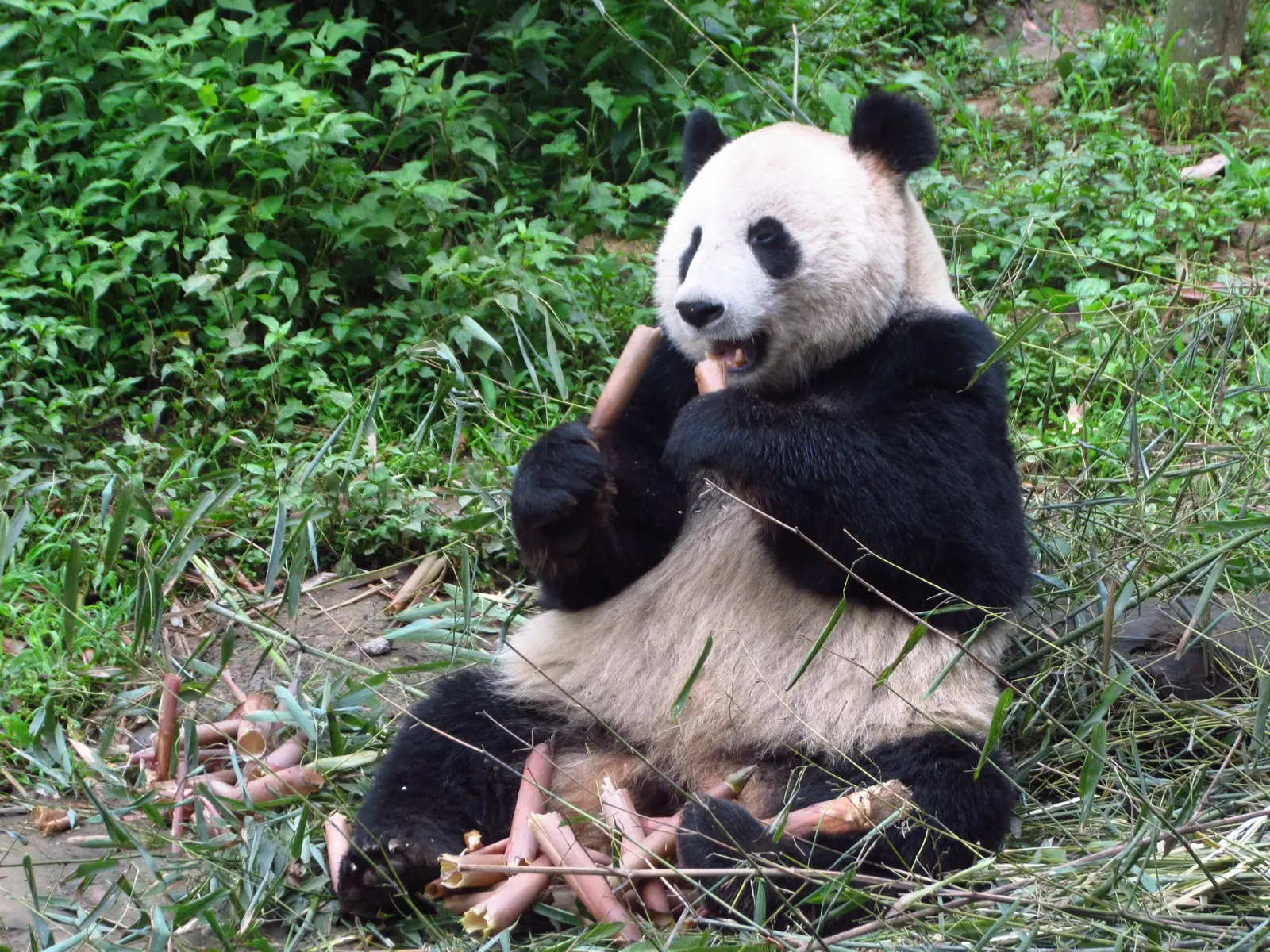 1–2 daysYa'an雅安Rainy hill city an hour from Chengdu: the Bifengxia panda base, Mengding tea mountain and the start of the Tea Horse Road.
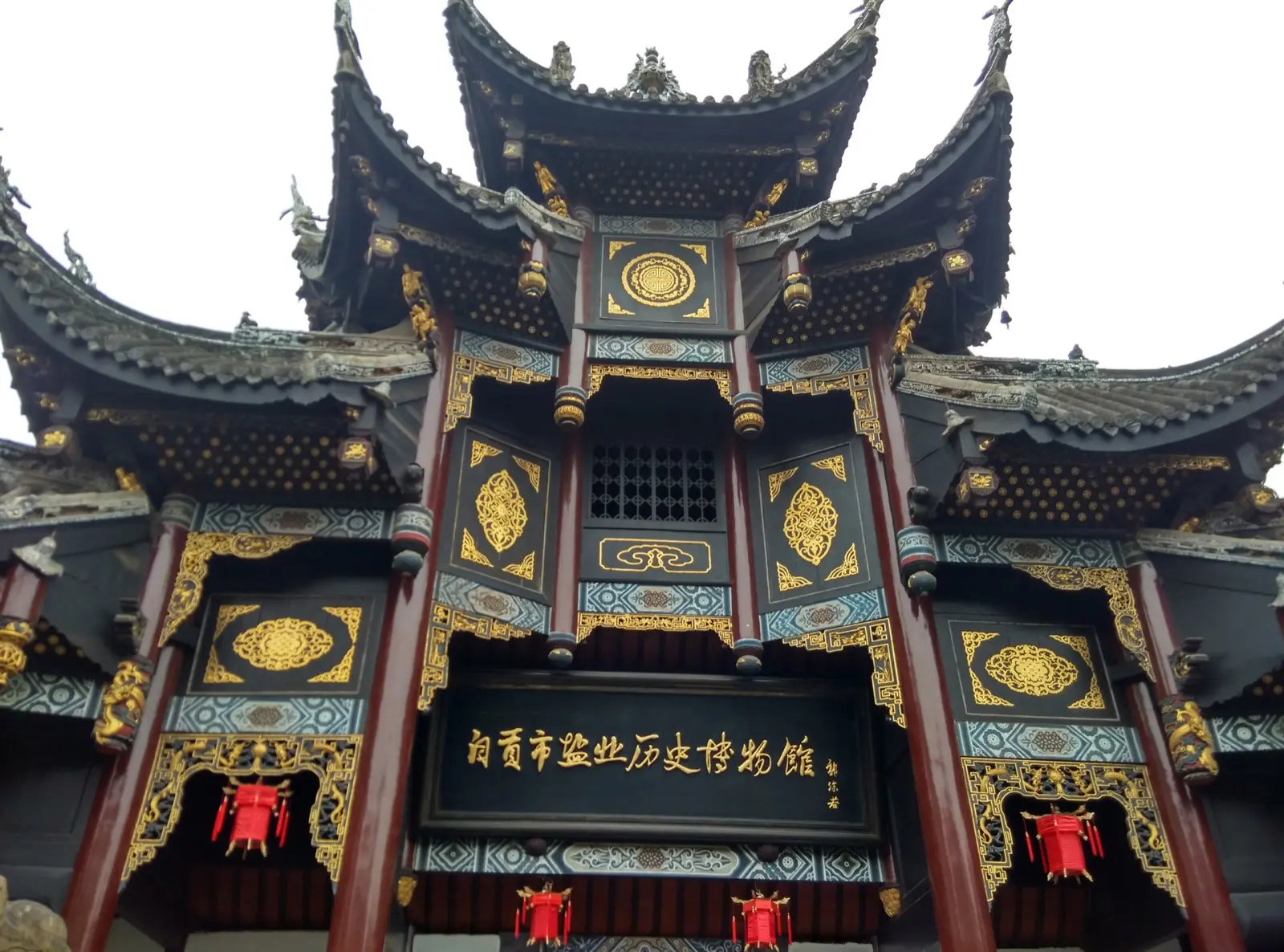 1–2 daysZigong自贡South Sichuan salt city: a dinosaur museum on a fossil bed, 1,000 m brine wells, a huge lantern festival and fiery salt-gang food.
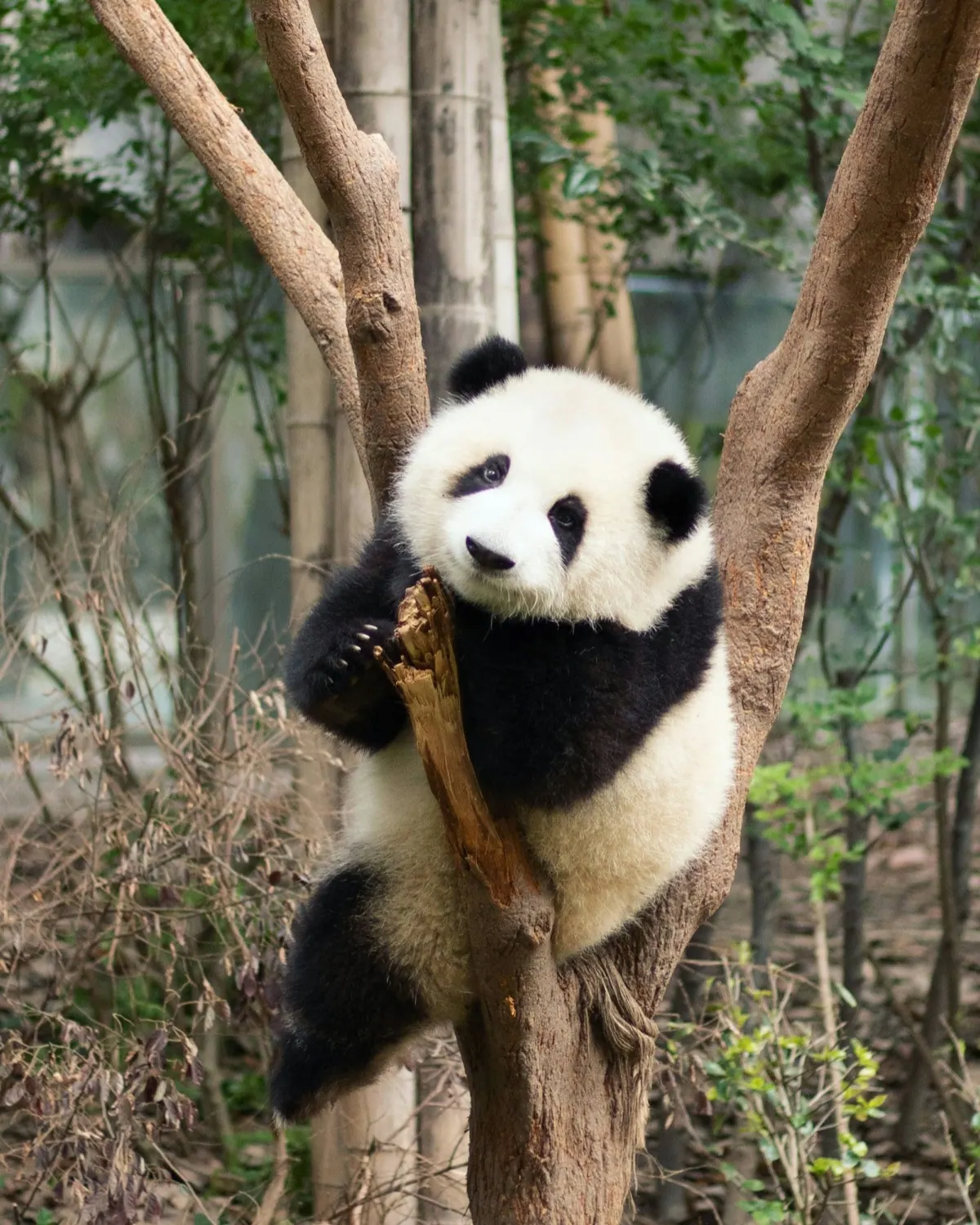 3–4 daysChengdu成都Giant pandas, Sichuan hot pot and slow afternoons in teahouses.
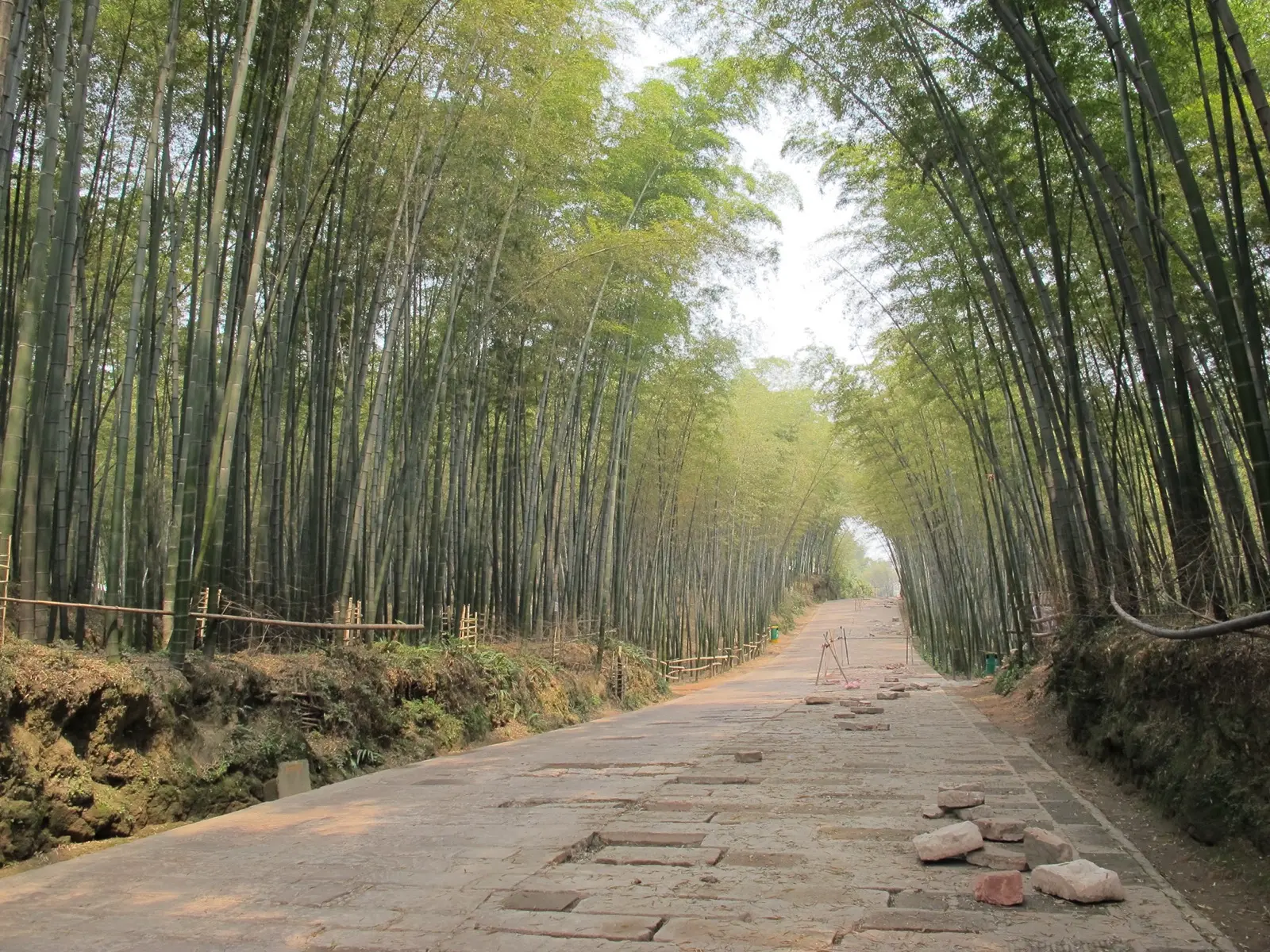 2–3 daysYibin宜宾Where the Yangtze takes its name: a river-mouth old town, burning noodles, Wuliangye, bamboo forests and karst sinkholes.