
Hua Mulan
花木兰Huā Mùlán
Heroine of a Chinese folk ballad who takes her father’s place in the army disguised as a man; whether she really lived is unclear.
Hua Mulan comes from the Ballad of Mulan, a folk song believed to date from the Northern Wei era (386–535). Legend says she disguised herself as a man to serve in place of her ageing father, fought for years without being found out, turned down high office and asked only for a horse to ride home. It is still unclear whether she was a real person, and her family name varies between later versions. Plays, novels and films have retold the story many times. In China, travellers can visit a mountain linked to her legend and sites from the era of the ballad.
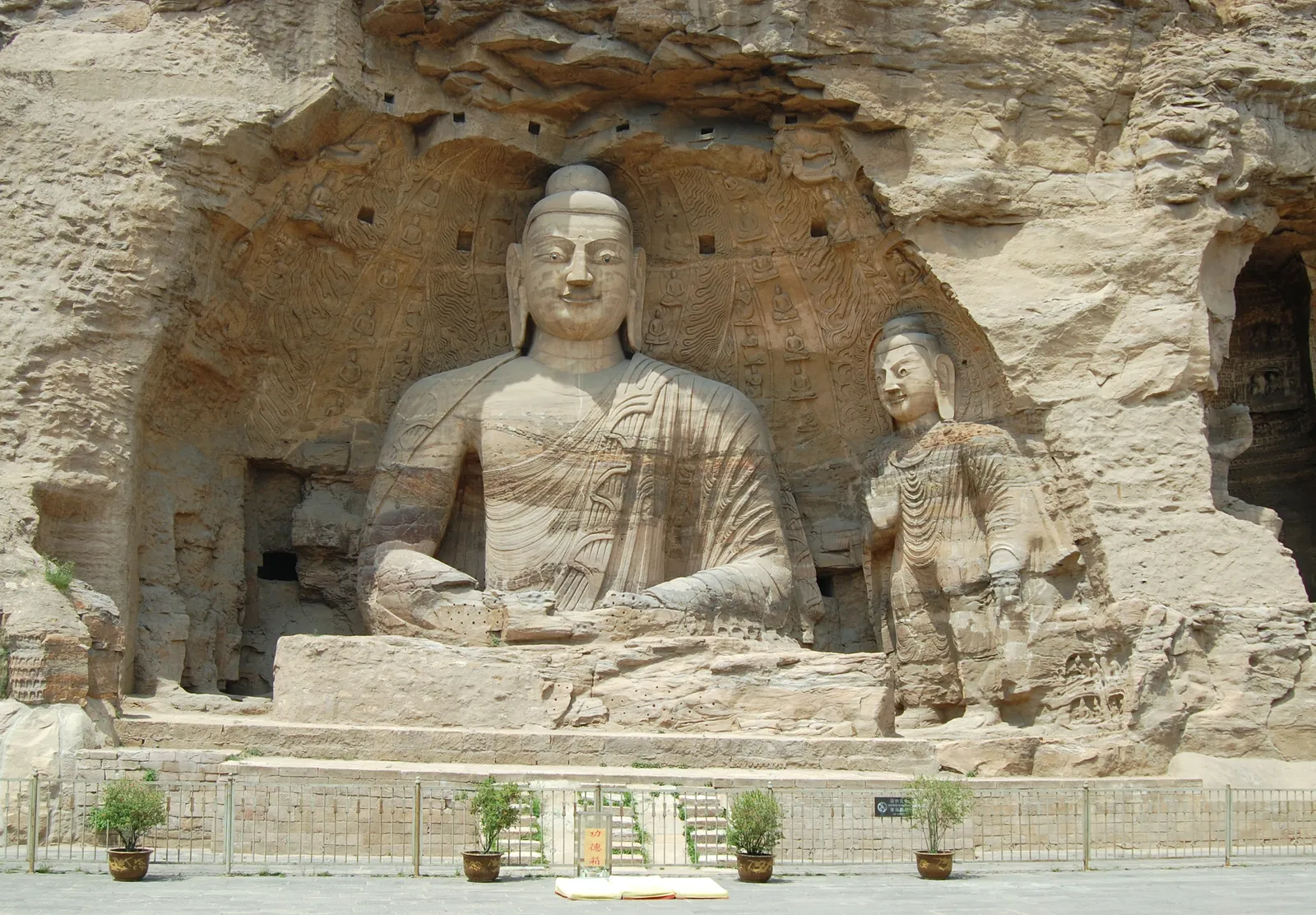
Where to see it in China
Related entries
DynastiesNorthern Wei dynasty 北魏A dynasty (386–534) founded by the Tuoba clan of the Xianbei that ruled northern China from Datong, then Luoyang, and carved the Yungang Grottoes.Legends and novelsLegend of the White Snake 白蛇传A Chinese folk legend of a white snake spirit who becomes a woman, marries a mortal and is imprisoned under Leifeng Pagoda on West Lake.Arts and craftsPeking opera 京剧China’s best-known stage art, born in Beijing around 1800: singing, acting and acrobatics with painted faces and lavish costumes.Legends and novelsLiu Sanjie 刘三姐Legendary singer of Zhuang folk tradition in Guangxi, called the Goddess of Singing, who gave her name to the Li River show at Yangshuo.
Sources
- Hua Mulan: Wikipedia (en.wikipedia.org)
- Ballad of Mulan: Wikipedia (en.wikipedia.org)