
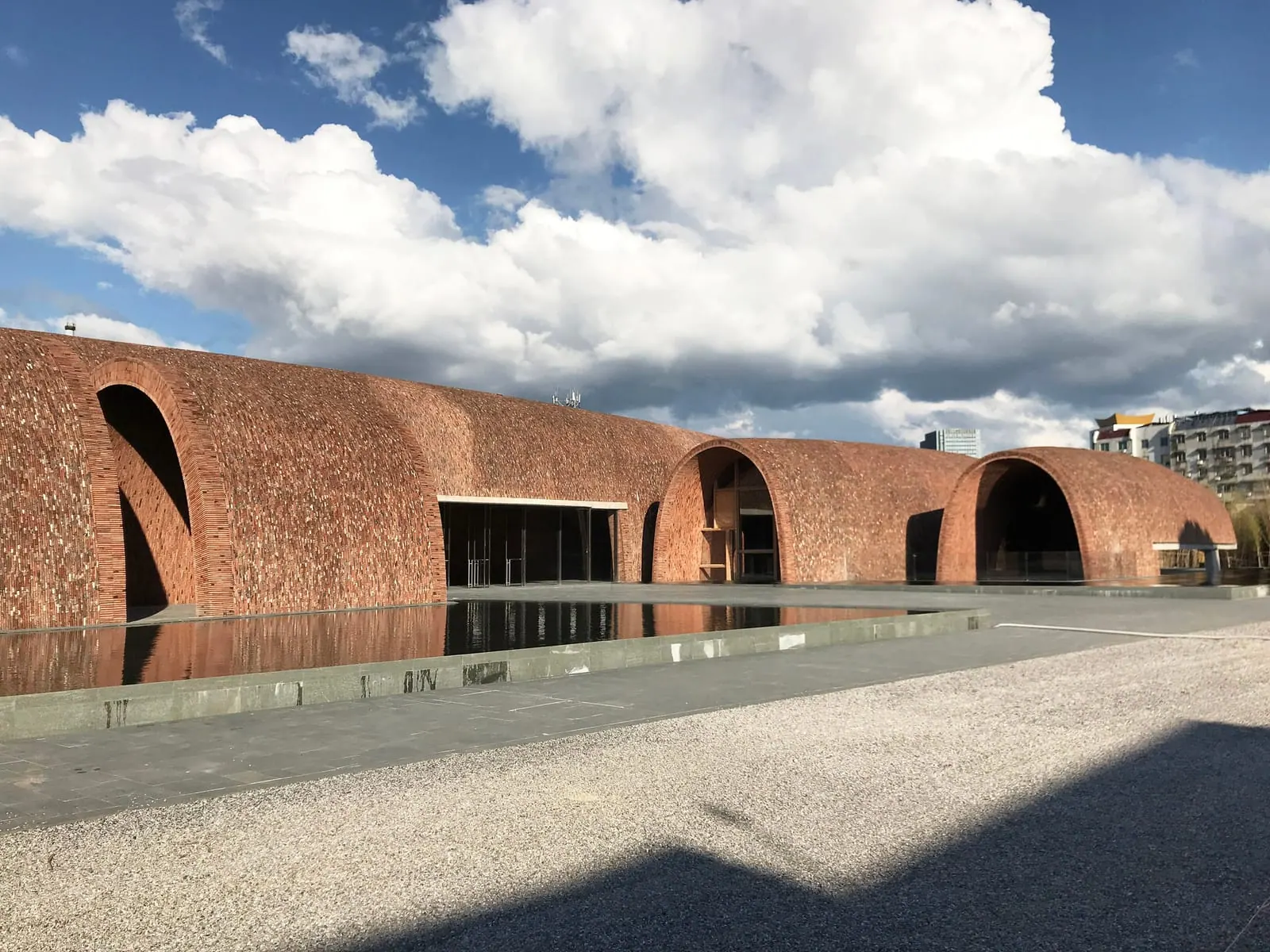
Jingdezhen
景德镇 · Jǐngdézhèn
China’s porcelain capital: imperial kilns, studios and markets, with the villages of Wuyuan nearby.
Photo: Zhu Pei · CC BY-SA 4.0
Best time to visit
- Jan
- Feb
- Mar
- Apr
- May
- Jun
- Jul
- Aug
- Sep
- Oct
- Nov
- Dec
From the airport or station to the city
Where you land, the ways into the city centre, how long each takes and what it costs.
From Jingdezhen North Station (high-speed rail)
景德镇北站
From Jingdezhen Luojia Airport (JDZ, domestic)
景德镇罗家机场
From Nanchang Changbei International Airport (KHN)
南昌昌北国际机场
Getting around
Jingdezhen is a spread-out porcelain town on the Chang River. The old town around the Imperial Kiln (Taoyangli) is walkable; Taoxichuan and the Sculpture Factory are about 3–5 km east, the Ancient Kiln and China Ceramics Museum about 3 km west, and Sanbao about 8 km south-east. Taxis and DiDi are cheap (most rides ¥10–25) and the easiest way between them. For Yaoli and Gaoling, hire a car for the day. Wuyuan is 27 minutes away by high-speed train. Visa-free transit: Jingdezhen is inside the 240-hour stay area (in Jiangxi only Nanchang and Jingdezhen), but Wuyuan, Huangling and Jiangling (Shangrao) are outside it. Carry your passport: museum bookings and tickets are real-name.
Book these before you fly
These sights need a reservation with your passport. Walk-ups are usually turned away.
- Imperial Kiln Museum & Imperial Kiln Site ParkBook only on the WeChat mini program “畅游景德镇” (or via the “景德镇御窑博物院” official account → 预约导览), real-name with your passport, and pick an entry time slot. Museum slots open 3 days ahead (including today).
- China Ceramics MuseumReserve on the WeChat mini program “畅游景德镇” (the only official channel), up to 5 days ahead; real-name with your passport. The gates read only Chinese ID cards, so passport holders are checked by staff: bring the original passport and booking code, or get a ticket with your passport at the service-centre window (09:00–16:30).
- Hands-on pottery class (The Pottery Workshop and others)Send the enquiry form on pws-hub.com with your dates and the technique you want. For cheaper DIY sessions, ask studios at Taoxichuan or the Ancient Kiln on the day.
Top sights
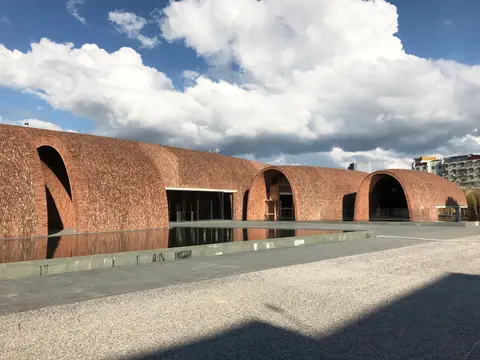 御窑博物馆 · 御窑厂国家考古遗址公园Imperial Kiln Museum & Imperial Kiln Site ParkThe site where porcelain for the Ming and Qing emperors was made for about 600 years, with excavated kilns and a striking brick-vaulted museum full of imperial wares and restored shards.
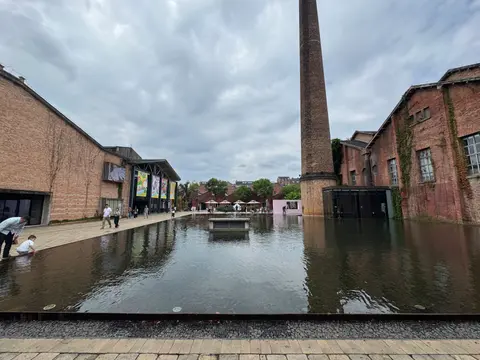 陶溪川文创街区Taoxichuan Ceramic Art AvenueA state porcelain factory turned creative district: brick workshops, chimneys and an old tunnel kiln now hold galleries, studios, cafés and Jingdezhen’s biggest weekend craft market.
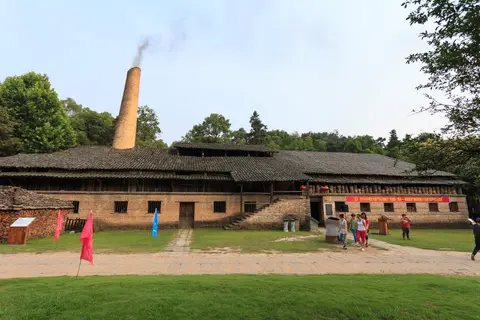 古窑民俗博览区Ancient Kiln Folk Custom MuseumA wooded open-air museum where rebuilt Song, Yuan, Ming and Qing kilns are still fired with wood, and old craftsmen throw, trim and paint porcelain by hand in Qing workshops.
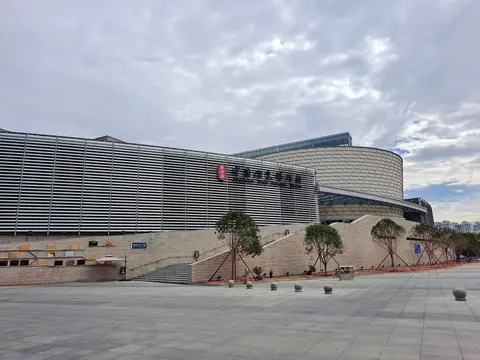 景德镇中国陶瓷博物馆China Ceramics MuseumChina’s first large museum devoted to ceramics, with more than 50,000 pieces tracing Chinese pottery and porcelain from Neolithic times to today, plus international ceramics.
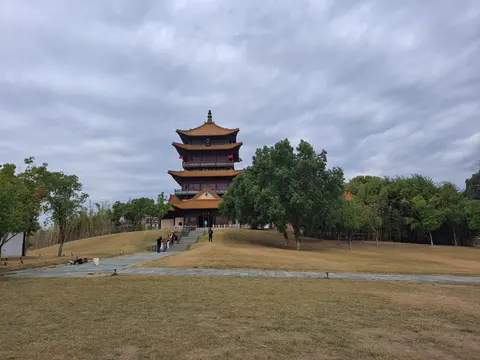 陶阳里历史文化旅游区Taoyangli Historic DistrictThe old porcelain town around the Imperial Kiln: brick lanes, merchants’ guild halls, Ming–Qing kiln workshops, Longzhu Pavilion on Zhushan hill and the restored Zhongshan North Road.
 婺源(李坑 · 汪口)Wuyuan villages: Likeng and Wangkou (day trip)White-walled, black-tiled Hui-style villages on streams and rivers, set among tea hills and terraced rapeseed fields that turn yellow in March.篁岭Huangling (Wuyuan)A hillside village reached by cable car, famous for “sun-drying” harvests on wooden racks under its eaves and for the terraced rapeseed fields below it in spring.三宝国际陶艺村Sanbao International Ceramic Art VillageA valley of studios, old water-powered clay mills and galleries south-east of town, founded in 1995 by ceramicist Li Jianshen as a residency for potters from around the world.雕塑瓷厂 · 乐天陶社创意市集Sculpture Porcelain Factory & Pottery Workshop Saturday MarketA former state porcelain factory now packed with small workshops and shops, and home to China’s first ceramics creative market, held by The Pottery Workshop on Saturday mornings since 2008.乐天陶社陶艺体验课Hands-on pottery class (The Pottery Workshop and others)Try throwing on the wheel or painting blue-and-white porcelain with local masters; The Pottery Workshop runs 3-hour classes with English translation.御窑景巷Imperial Kiln Lanes (Yuyao Jingxiang)A 1.1 km strip of the old riverside town beside the Imperial Kiln, with 23 lanes dating back to the Song, old docks, guild halls, a church and kiln-brick houses.浮梁古县衙Fuliang Ancient County Government OfficeThe old county seat that governed Jingdezhen’s kilns for over 1,100 years: a Qing yamen, said to be the best preserved south of the Yangtze, and the Song-dynasty Red Pagoda.瑶里古镇Yaoli Ancient TownA Ming–Qing riverside town in forested hills 50 km north-east of Jingdezhen, once called “Yaoli” (“in the kilns”), with Hui-style houses, ancestral halls and waterfalls nearby.高岭村 · 高岭国家矿山公园Gaoling Village (home of “kaolin”)The hill village that gave the world the word “kaolin”: old clay pits, water-powered mills and the stone dock where porcelain clay was shipped down to Jingdezhen.江岭Jiangling rapeseed terraces (Wuyuan)Wuyuan’s classic rapeseed view: yellow terraces spilling down a mountain valley around white-walled hamlets, best from the roadside viewpoints in March.
Map
Further out, not on this map: Huangling (Wuyuan), Jiangling rapeseed terraces (Wuyuan)
What to eat here
Find a pharmacy, ATM, food or any shop nearby in Chinese
Places added by travelers
Add a placeFrom other travelers
Write a reviewComing to this page
- Hotels, tickets and experiences you can bookComing soon
Nearby cities
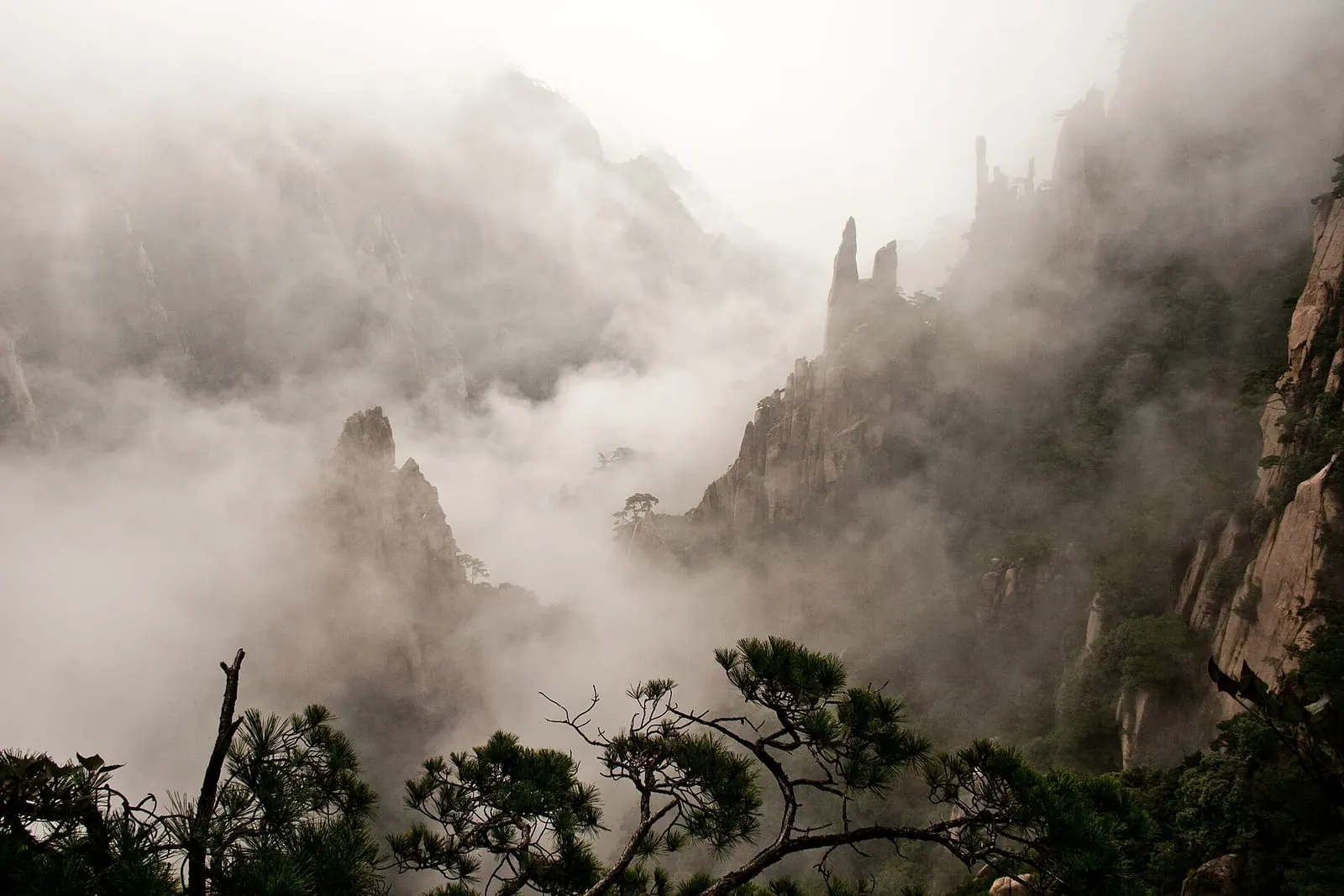 2 daysHuangshan黄山Granite peaks above the clouds, with Huizhou villages nearby.
 2 daysHangzhou杭州West Lake, Longjing tea villages and a quick train from Shanghai.
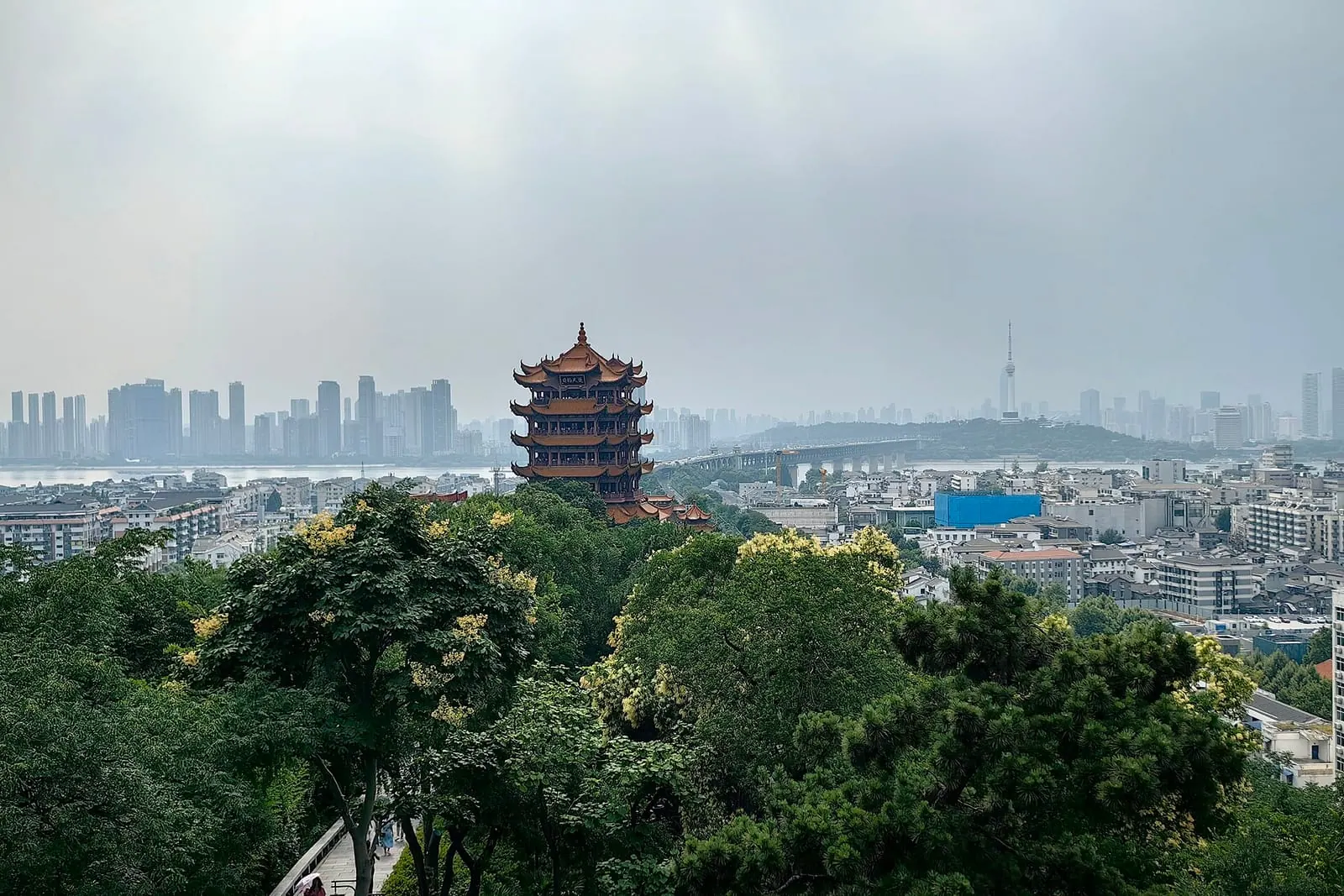 1–2 daysWuhan武汉Yellow Crane Tower, the Yangtze and hot dry noodles.
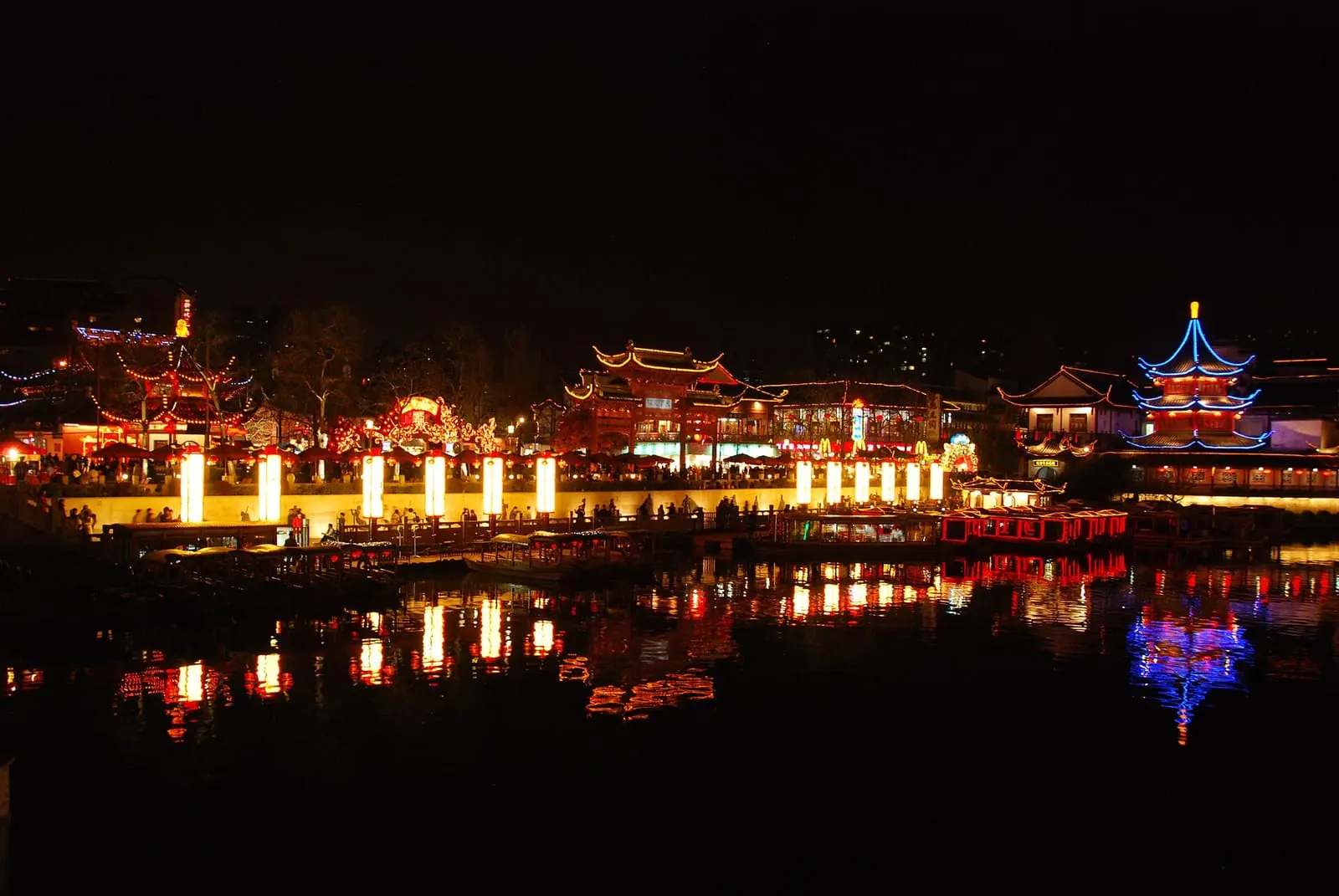 2 daysNanjing南京A former capital with Ming city walls and the Sun Yat-sen Mausoleum.